Our Location
304 North Cardinal St.
Dorchester Center, MA 02124

304 North Cardinal St.
Dorchester Center, MA 02124

Pickleball Paddle Technology Explained
Pickleball paddle performance depends heavily on the materials and manufacturing technologies used in its construction. From fiberglass and carbon fiber surfaces to advanced thermoforming processes and engineered core structures, each technology directly impacts power, control, spin, and durability.
On this page, we break down the key pickleball paddle technologies to help you understand how each material and process affects your game performance and helps you choose the right paddle.
Surface Materials
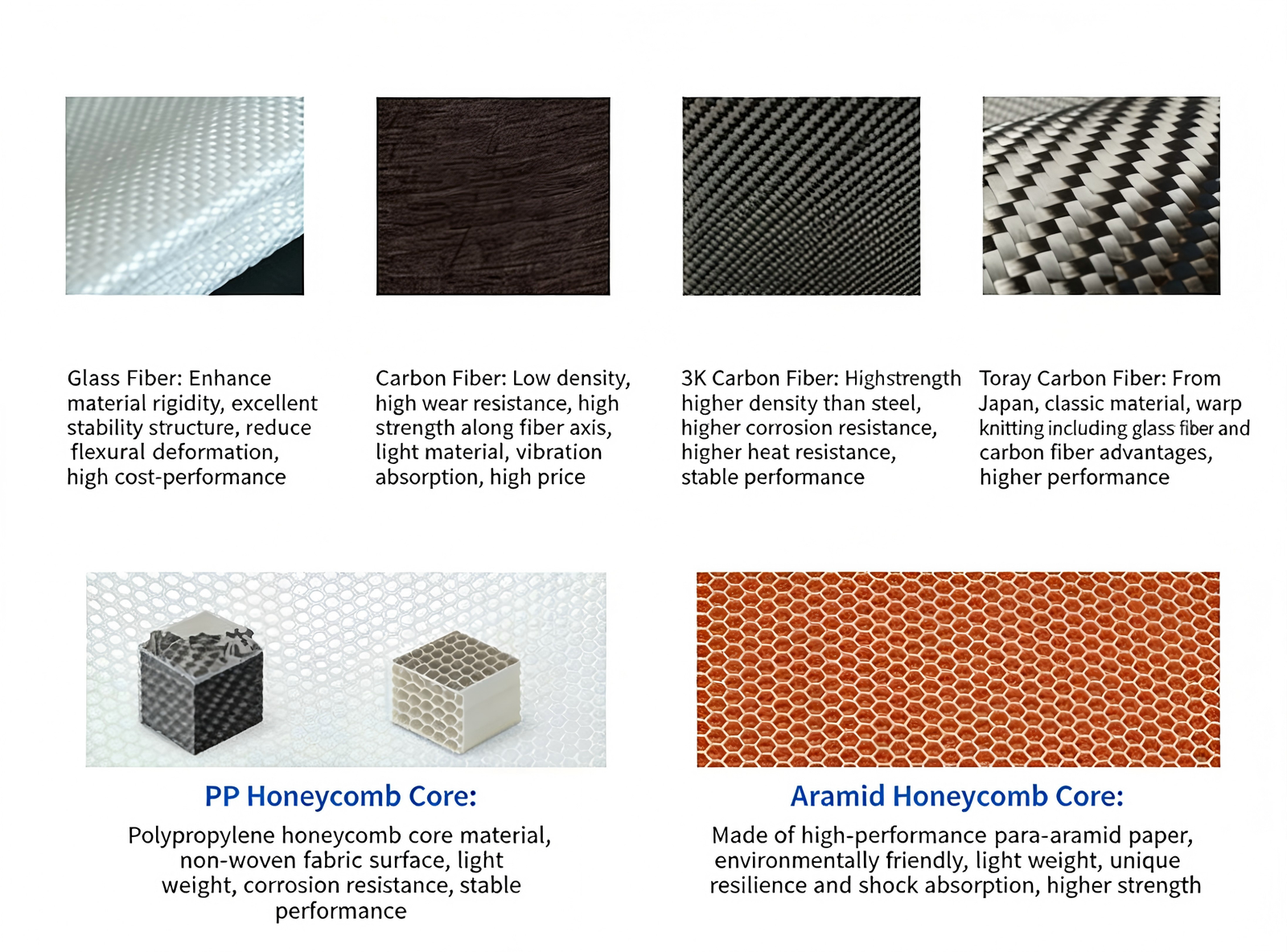
Fiberglass and carbon fiber are the two most common paddle face materials. Fiberglass paddles provide excellent control and a softer feel, making them ideal for beginners. Carbon fiber paddles offer higher spin potential, more power, and better precision, preferred by advanced and professional players.
Thermoforming Technology
Thermoformed pickleball paddles are built using high-temperature molding that fuses the paddle structure into a seamless, durable frame. This technology enhances power transfer, increases stability, and improves overall paddle durability, making it a preferred choice for competitive players.
Paddle Core Technology
The core material of a pickleball paddle determines its feel, control, and power balance. Most modern paddles use polymer honeycomb cores, which offer a perfect blend of shock absorption, responsiveness, and durability. Core thickness also plays an important role in performance differences.
Manufacturing Process
Pickleball paddles are manufactured using different pressing methods such as hot pressing and cold pressing. Hot pressing creates a more rigid and powerful structure, while cold pressing provides a softer feel and better control.
FAQ
Carbon fiber is best for power and spin, while fiberglass is better for control and beginners.
Thermoforming is a manufacturing process that uses heat and pressure to create a seamless paddle structure with improved durability and performance.
Carbon fiber paddles offer more spin and power, while fiberglass paddles provide better control and forgiveness.
Understanding paddle technology helps you choose the right equipment based on your playing style and skill level. Explore each technology category to find the paddle that fits your game.
Balanced Control & Comfort
Fiberglass paddles are designed for players who prioritize control, consistency, and a softer feel on impact. The slightly flexible surface helps absorb vibration, making it easier to handle longer rallies with reduced arm fatigue.
Compared to stiffer materials, fiberglass provides a more forgiving response, allowing better ball placement and improved touch around the net.
Key Benefits:
More comfortable during long play sessions
Softer feel & reduced vibration
Enhanced control for precision shots
Ideal for beginners to intermediate players
Power, Precision & Durability
Carbon fiber paddles offer a premium performance experience with superior stiffness and responsiveness. The rigid face generates more power while maintaining excellent accuracy, making it a top choice for competitive players.
Its high-strength structure ensures long-term durability without adding extra weight.
Key Benefits:
Preferred by advanced & professional players
Maximum power and fast response
High stiffness for precise control
Lightweight yet extremely durable
Seamless Structure, Enhanced Strength
Thermoforming is an advanced manufacturing process where the paddle is heat-molded into a single, unified structure. This eliminates weak bonding points and significantly improves overall durability and consistency.
The result is a more solid feel with optimized energy transfer on every shot.
Key Benefits:
Better performance stability
One-piece construction for higher strength
Improved consistency across the paddle face
Enhanced durability and lifespan
Understanding the Difference
Choosing the right pressing method directly affects paddle performance and durability.
Hot Press Technology:
Uses high temperature and pressure to fuse materials together, creating a tighter bond and stronger structure. This results in better performance consistency and longer lifespan.
Cold Press Technology:
Uses pressure without heat. While more cost-effective, it may result in weaker bonding and slightly reduced durability over time.
Comparison:
| Feature | Hot Press | Cold Press |
|---|---|---|
| Bond Strength | Stronger | Moderate |
| Durability | Higher | Lower |
| Cost | Higher | Lower |
| Performance | More consistent | Less stable |
The Heart of Paddle Performance
The core material defines the paddle’s feel, control, and power balance. Different core structures are designed to match different playing styles.
Common Core Types:
Polymer Honeycomb Core (PP Core):
The most popular option, offering a perfect balance of control, power, and noise reduction.
Nomex Honeycomb Core:
Harder and louder, delivering maximum power and speed—ideal for aggressive players.
Aluminum Core:
Lightweight with excellent control, but less commonly used in modern paddles.
Key Benefits: